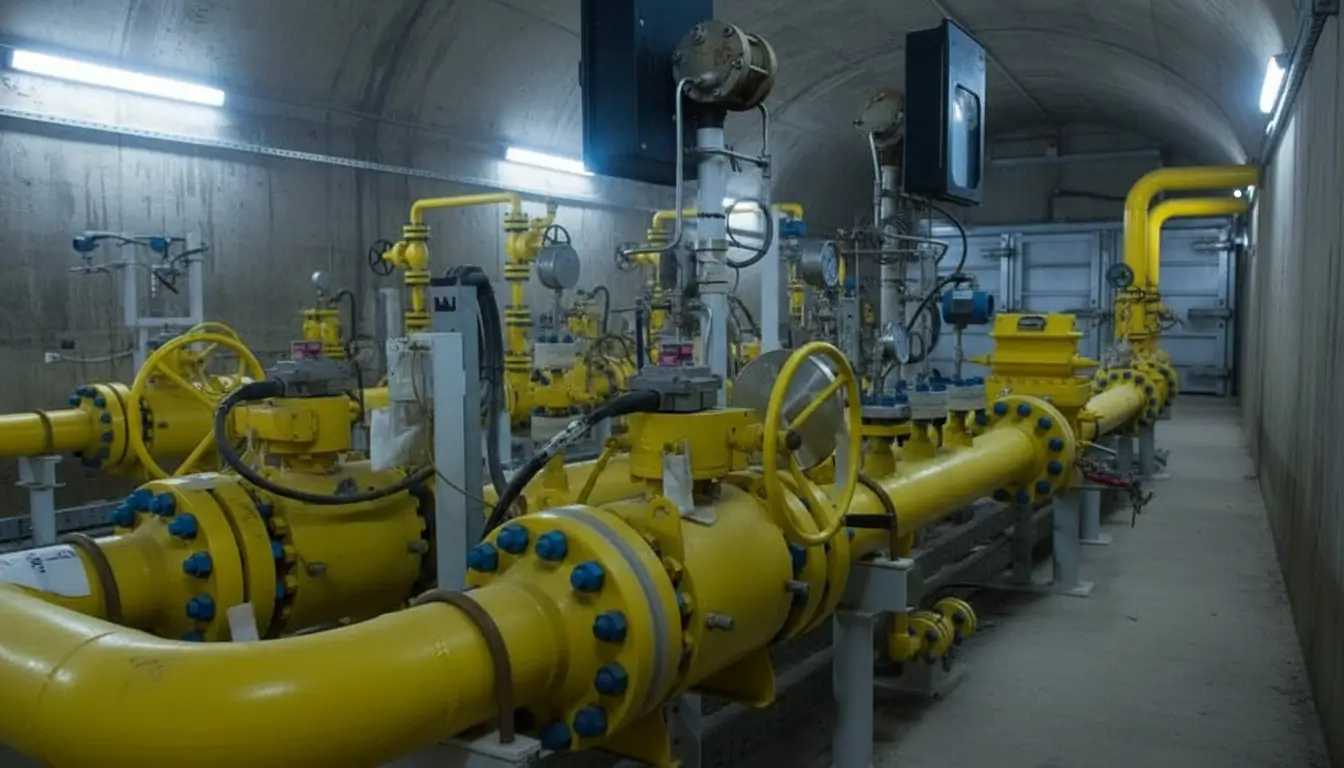
Pakistan’s Gas sector circular debt has climbed to Rs. 3.28 trillion, sparking fears of a potential systemic collapse. The alarming figure was revealed during a meeting of the National Assembly Standing Committee on Petroleum, where lawmakers expressed serious concern over the worsening situation.
Officials described growing financial stress across the entire gas supply chain, warning that without urgent energy reforms, the crisis could deepen further.
Why Is the Debt Rising?
According to officials, the surge in debt is linked to several structural problems:
تازہ ترین اپڈیٹس اور نوکریوں کی معلومات کے لیے ہمارا واٹس ایپ چینل فالو کریں:
چینل جوائن کریں(نوٹ: آپ کا نمبر کسی کو نظر نہیں آئے گا)
- Persistent pricing gaps
- Operational inefficiencies
- High levels of unaccounted for gas (UFG)
- System-wide losses in public sector utilities
These issues have gradually fueled the broader circular debt crisis, placing pressure on the national economy.
Performance of Major Gas Companies
SNGPL Update
The Managing Director of Sui Northern Gas Pipelines Limited (SNGPL) reported improvements in reducing gas theft and leakages.
- UFG reduced to 5.27 percent in FY2025
- Annual financial losses remain around Rs. 30 billion
- Gas losses estimated at 30 billion cubic feet per year
SSGC Update
Similarly, Sui Southern Gas Company (SSGC) reported progress:
- Losses reduced from 17 percent to 10 percent
- Around 29 billion cubic feet lost annually
- Significant losses originate from Balochistan
Despite improvements, combined annual losses of both companies are estimated at nearly Rs. 60 billion annually.
تازہ ترین اپڈیٹس اور نوکریوں کی معلومات کے لیے ہمارا واٹس ایپ چینل فالو کریں:
چینل جوائن کریں(نوٹ: آپ کا نمبر کسی کو نظر نہیں آئے گا)
Impact on Consumers
Officials acknowledged that these losses are eventually passed on to consumers through higher tariffs and tariff adjustments. Lawmakers warned that continued inefficiencies will further burden households and businesses already facing rising energy costs.
Calls for Structural Reforms
During the committee meeting, several members called for immediate structural reforms. One proposal under discussion is the privatization of state owned gas utilities.
However, concerns were raised about:
- Preventing monopolies
- Ensuring fair competition
- Protecting consumer interests
The debate highlights the complexity of reforming Pakistan’s struggling gas sector.
تازہ ترین اپڈیٹس اور نوکریوں کی معلومات کے لیے ہمارا واٹس ایپ چینل فالو کریں:
چینل جوائن کریں(نوٹ: آپ کا نمبر کسی کو نظر نہیں آئے گا)
Development Funding and New Opportunities
Separately, the Petroleum Division has requested Rs. 4.72 billion in development funding for upcoming initiatives, including:
- Advanced geological surveys
- Modern tracking systems
Officials also revealed the discovery of lithium reserves in Gilgit Baltistan and Kotli, offering potential growth in the mining sector and diversification of energy resources.
Conclusion
With Gas sector circular debt crossing Rs. 3.28 trillion, the warning of systemic collapse has added urgency to reform efforts. While companies like SNGPL and SSGC report improvements, heavy losses and structural flaws continue to strain the system.
Lawmakers now face a critical decision: implement bold reforms or risk further financial instability in Pakistan’s energy sector.